Dental Technology

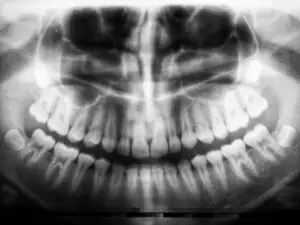
A panorex is a very impressive piece of imaging machinery in that it is capable of identifying many issues and structures that a normal x-ray is not. Initially you will sit in a chair with your chin on a small ledge. Once positioned in the machine, it will rotate around your entire head taking a full 360 degree view of the teeth, head, sinuses and bones.

The ability to view the full structure of your head as a whole is very informative to the dentist. It will allow us to see any potential problems and make sure that everything is functioning as it should be. The panorex is capable of viewing specific types of structural problems, infections or asymmetry among many others.


Oral Conscious Sedation

If the idea of going to the dentist for a procedure brings on feelings of fear or anxiety there are options to ease the anxiety. Oral conscious sedation is as easy as taking an aspirin and you will feel relaxed and at ease. Oral conscious sedation does not “knock you out” like some other forms of anesthesia. You will remain awake during your procedure, but you will be in a heightened state of relaxation. It is also possible that you will not remember part, or all, of your procedure.

Oral conscious sedation is extremely safe and easy. It is much less expensive than other forms of sedation, and you will be able to talk and breathe on your own during the procedure. It also makes long or complex procedures seem shorter, allowing you to have all of your work done in a single visit. As an added precaution a local anesthetic will be given to the area that is being worked on to ensure that there is no pain. You will need to have someone drive you to and from the office if you use oral conscious sedation for your safety.

Don’t wait any longer to have necessary dental work performed because you are nervous. Ask your dentist about oral conscious sedation to see if it is right for you.

IV Sedation

If the idea of going to the dentist for a procedure brings on feelings of fear or anxiety there are options to ease the anxiety. IV sedation is very safe and easy and is recommended for moderate to severe anxiety. Medication is given right into your blood stream and it works quickly and effectively. You will remain awake during your procedure, but you will be in a heightened state of relaxation. It is also possible that you will not remember part or all of your procedure afterwards.

IV sedation makes long or complex procedures seem shorter, allowing you to have all of your work done in a single visit in many cases. As an added precaution a local anesthetic will be given to the area that is being worked on to ensure that there is no pain. The benefit of IV sedation is that the level of medication can be adjusted during your procedure to ensure maximum comfort. Your heart rate and breathing are monitored very closely while you are being medicated because your safety is our number one concern.

Don’t wait any longer to have necessary dental work performed because you are nervous. Ask your dentist about IV sedation to see if it is right for you.

Nitrous Oxide

Nitrous Oxide, known to many as laughing gas, is the most commonly used form of sedation in dentistry. It is administered by having the patient inhale the gas, which is carefully monitored by your doctor. You will fall into a euphoric state and feel completely relaxed. All feelings of fear and anxiety fade away, leaving you to sit back peacefully while your dental procedure is performed. In most cases all dental work can be completed in one visit while you are sedated.

Nitrous oxide sedation is very safe and effective. Once the procedure is over the nitrous oxide will wear off fairly quickly, and you will probably be able to drive yourself home and return to your daily activities.

You will need to have a preliminary visit with your dentist to make sure that you are an eligible candidate for nitrous sedation. If you have been worried about your next dental visit its time to stop! Ask us about sedation dentistry and schedule your appointment today.

Sedation FAQ

Who is a candidate for sedation?

If you have anxiety or fear about going to the dentist you are a candidate for sedation dentistry. If you have a fear of pain, have had a traumatic dental experience in the past, or the sounds and smells of a dental office make you nauseous, sedation dentistry can help you get over your anxiety.

Some people have physical reasons, like a bad gag reflex or very sensitive teeth, which make them a candidate for sedation dentistry as well. If you are not sure if you are a candidate ask your dentist.

Will I be unconscious?

No, but you will be in a deep state of relaxation during your treatment. You will still be able to breathe on your own and communicate, but you will not feel any pain or anxiety. You may not even remember the procedure afterwards.

How long will I be sedated?

Sedation can last from about 2-6 hours depending on the strength of sedative you are given and how long your procedure takes.

Will I be monitored?

Yes, at all times during your sedation someone will be with you. We also monitor your vitals to make sure they remain at a normal level. Safety is of the utmost importance to us.

Are there any long term effects of sedation?

No. You will feel a little groggy and “out of it” after some forms of sedation, but after a few hours you will feel like yourself again. You will need to have someone drive you home from your appointment in these cases.

What procedures can be performed under sedation?

Just about any procedure can be performed with sedation. The sedation is not for the procedure itself, but for the anxiety that accompanies the procedure. Ask your dentist if sedation is available for a particular procedure.

How many appointments will I need to complete my dental work?

In most cases it only takes two appointments. The first appointment will be a consultation to check your health history and make sure you are a candidate for sedation. The next appointment will be to perform the necessary procedures. This can usually be done in one appointment, but may require a follow up visit.

Will my insurance cover sedation?

In most cases it will not be covered by your insurance provider. We will review your insurance coverage and let you know if it is covered or not. If it is not covered, we will let you know the cost and, if necessary, we can put together a financing plan for you.

3D CBCT

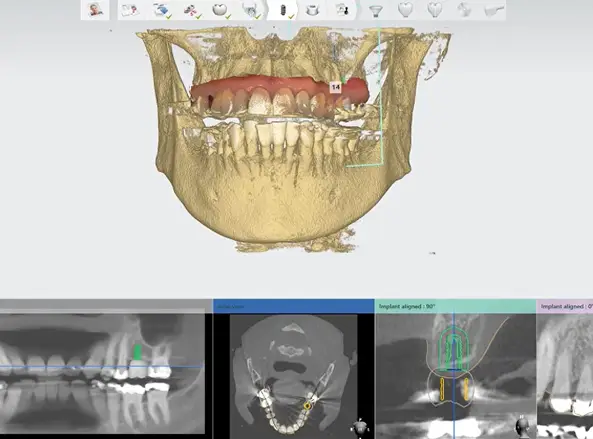
3D CBCT (Cone Beam Computed Tomography) scanning is a modern dental imaging method that creates a detailed 3D picture of your teeth, jaws, and surrounding structures. It provides more precise information than regular X-rays, helping your dentist see exactly what’s happening beneath the surface.


CBCT scans are used to plan dental implants, assess wisdom teeth, detect infections or bone issues, evaluate jaw joints, and support orthodontic and surgical treatments.


You’ll be asked to stand or sit still while the scanner rotates around your head for about 20–40 seconds. The images are then processed into a 3D model that your dentist reviews to plan your care.

How long it takes:
The entire visit usually takes 10–15 minutes and is quick, safe, and comfortable.

Oral Cancer Screenings

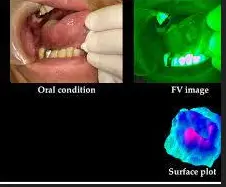
Oral cancer screenings are a very important part of the dental visit for the patient. With the advances in modern technology, we are now able to pinpoint the start of a potential problem much earlier in its evolution. The ability to do so is extremely important in being able to treat any issues prior to them becoming a major irreversible problem.

The oral cancer screening is often completed with an ultraviolet light or similar device that allows us to view issues that can’t always be detected by the human eye under normal conditions.

Certain lifestyle choices can have a great impact on the health of tissues and your overall health in the mouth. If you are a smoker or heavy drinker, make sure to get regular screenings when you visit the dentist.


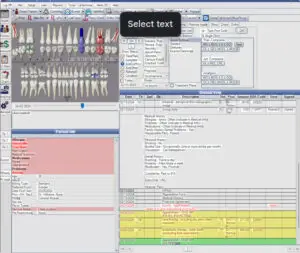
By transitioning to a paperless, all-digital workflow, our dental practices significantly improved efficiency by automating routing administrative tasks such as patient intake,insurance verification, and appointment reminders which can avoid errors and save patients time.

Open Dental Practice Management Software (PMS) is a highly customizable software designed by dentists to streamline operations, including appointment scheduling, charting, billing, and insurance claims while linking to patient xrays and scans. 

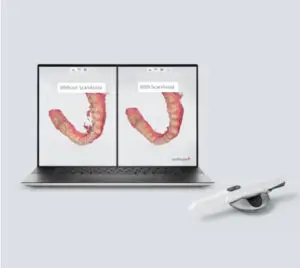
High-precision digital dentistry solution combining fast,color intraoral scanners, 3D digital impressions , analyze oral health with AI-powered diagnostics, and seamlessly share cases with laboratories, supporting workflows for orthodontics, implants, and restorative dentistry

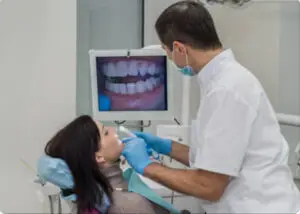
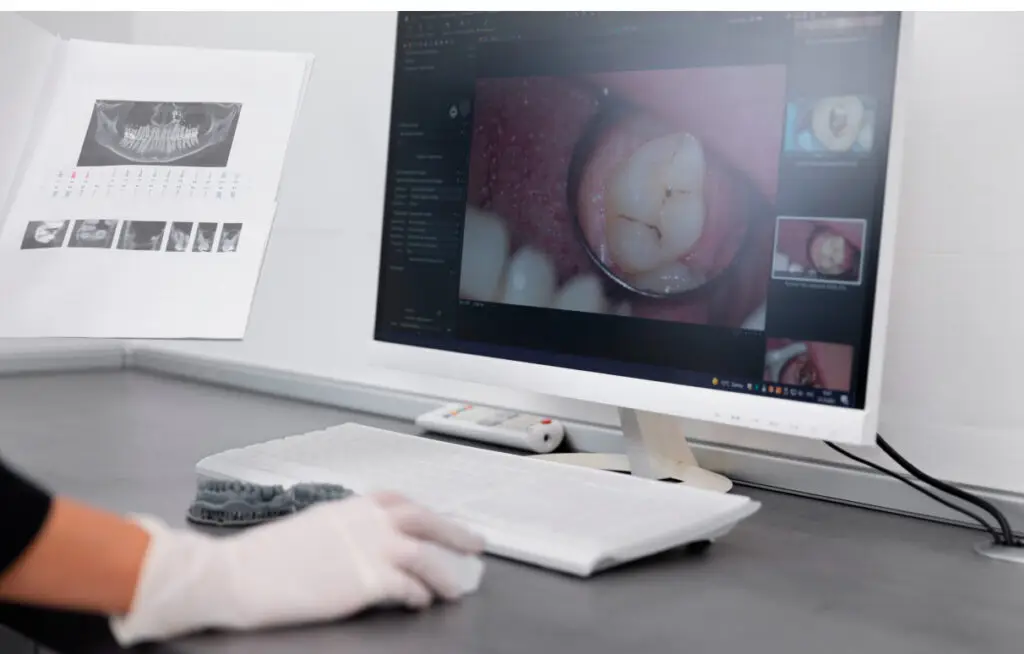
The intraoral camera is an amazing diagnostic tool for viewing different angles in the mouth that we would not have been able to just a few years ago. The camera gives us the ability to view the entire mouth on a monitor so that we can get a closer look at any potential issues or problems that may arise. In addition, the patient will have the ability to see for themselves first hand the same images we are seeing. These digital images are also excellent for gaining procedure acceptance from insurance companies.