Post-accident dentistry, often handled by emergency and restorative dentists, focuses on

repairing, replacing, and stabilizing teeth and jaw structures damaged by traumatic incidents such as falls, accidents, or sports injuries. Treatment aims to provide immediate pain relief, prevent infection, and restore the functionality and aesthetics of the patient’s smile.

Common Post-Accident Dentistry Treatments
  • Tooth Replacements (Missing Teeth):
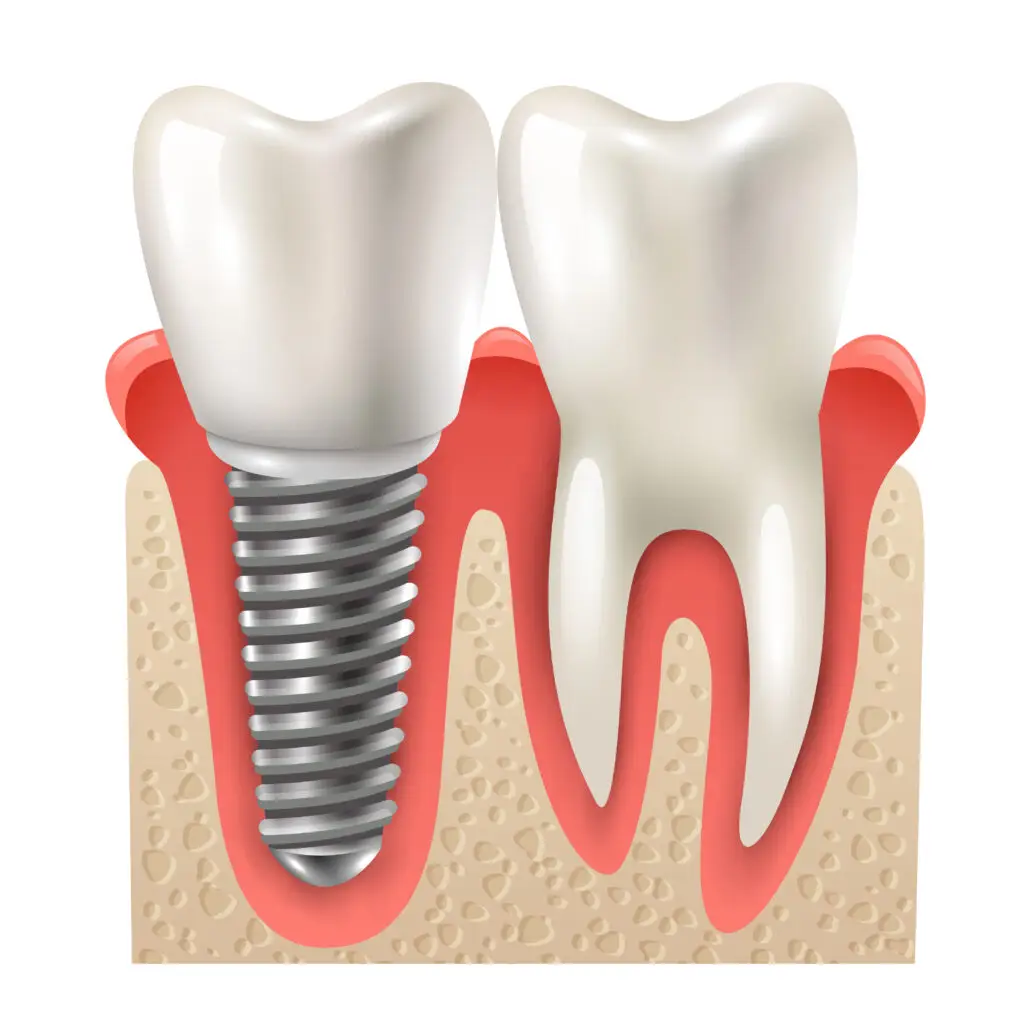
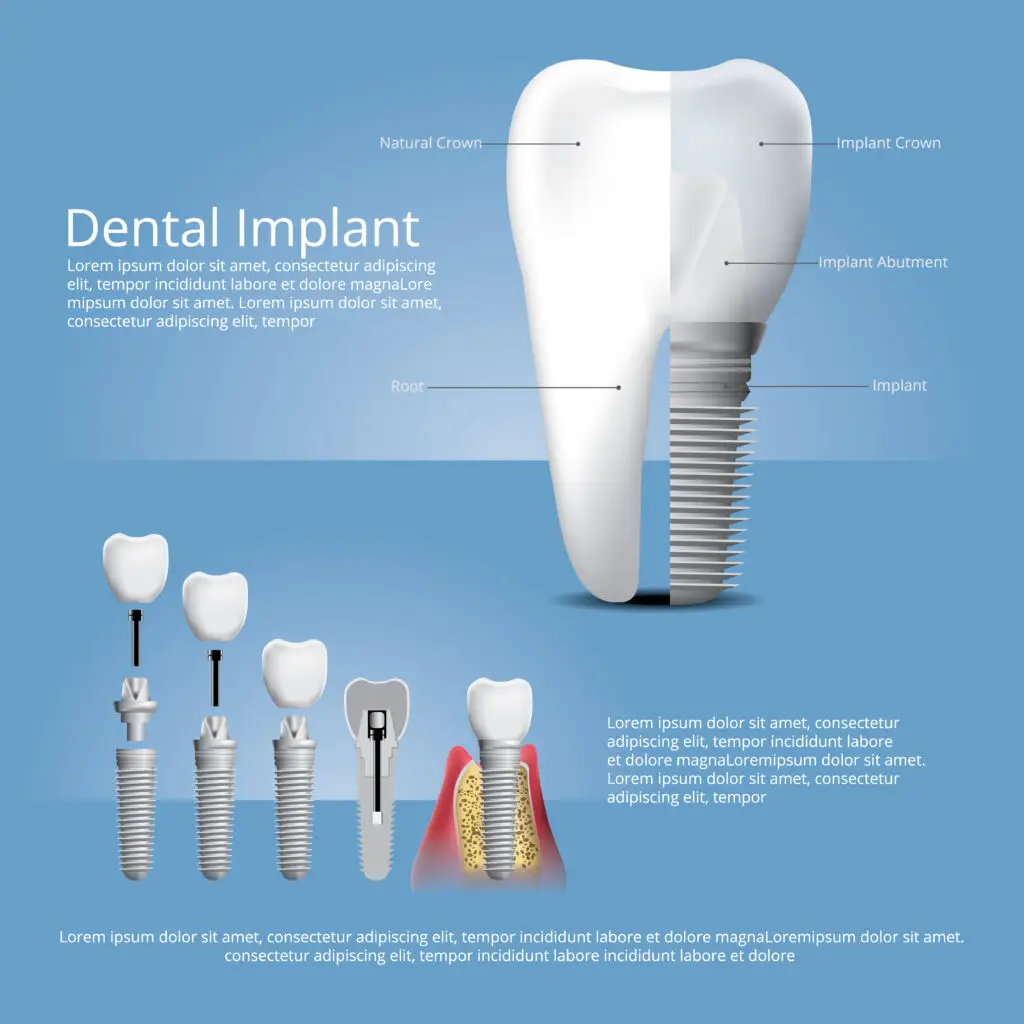
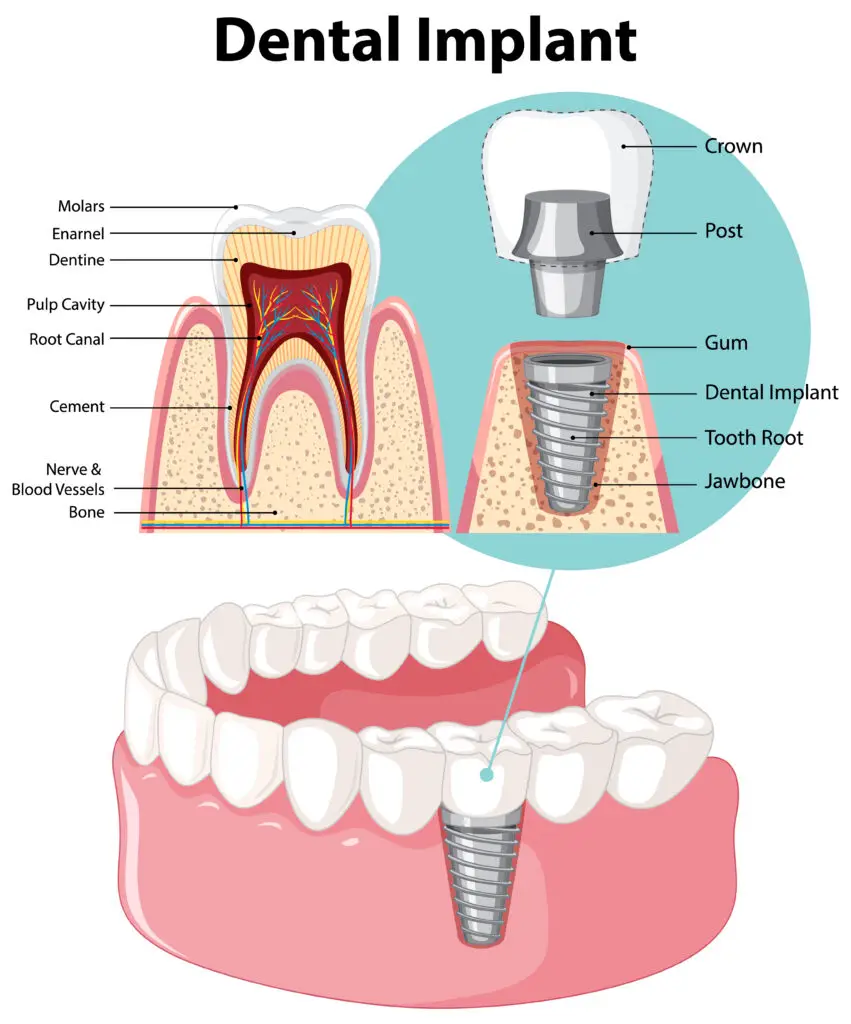
    • Dental Implants: Often the preferred long-term solution, a titanium post is placed in the jawbone to serve as a new root, topped with a crown.
    • Dental Bridges: Used to fill gaps by anchoring a false tooth to adjacent teeth.
    • Partial or Complete Dentures: Removable alternatives depending on the severity of the tooth loss.
  • Damaged Tooth Repair (Broken/Cracked/Chipped):
    • Dental Bonding: Tooth-colored resin is used to repair minor chips or cracks, typically in one visit.
    • Dental Crowns: Covers a fractured or severely damaged tooth to protect it and restore its shape and strength.
    • Root Canals (Endodontics): Necessary if the accident damaged the tooth’s pulp (nerve) or resulted in an infection.
  • Stabilization and Realignment (Loose/Shifted Teeth):
    • Splinting: A flexible wire or composite is used to attach a loosened tooth to its neighbors, stabilizing it while the underlying tissues heal.
    • Replantation: If a tooth is completely knocked out (avulsion), it can sometimes be reinserted into the socket within a “golden hour” of the injury, followed by splinting.
  • Periodontal (Gum) and Soft Tissue Care:
    • Gum Grafting/Contouring: Treats damaged gum tissue to ensure proper support for the teeth.
    • Suturing: Repairs cuts or lacerations in the mouth, tongue, or gums.
  • Preventive and Diagnostic Care:
    • Digital Scans/X-rays: Essential for diagnosing hidden damage, such as root fractures, that are not visible to the naked eye.
    • Antibiotic Treatment: Used to reduce the risk of infection following trauma.
    • Temporomandibular Joint (TMJ) Management: Addressing jaw injuries that cause pain or “lockjaw”.

  • Surgical Tooth Removal: A procedure performed when a tooth cannot be accessed easily, such as an impacted wisdom tooth or one broken below the gum line. It involves making a small incision in the gum, sometimes removing surrounding bone, and potentially sectioning the tooth to remove it.
  • Dental Implant Placement: A surgical procedure where a biocompatible titanium post is inserted into the jawbone to act as a root for a missing tooth. Over several months, the bone grows around the implant (osseointegration), providing a stable foundation for a permanent, artificial crown.
  • Bone Grafting: A technique used to increase the volume and density of the jawbone when it has deteriorated due to tooth loss or infection. Grafting material (natural or synthetic) is placed in the area, acting as a scaffold for new bone growth to support future dental implants.
  • TMJ Disorder Treatment: A range of approaches designed to reduce pain and improve functionality in the temporomandibular joint. Treatments often begin conservatively with custom splints/nightguards, anti-inflammatory medications, physical therapy, and stress management to alleviate jaw clenching.
  • Pre-operative Assessment: Includes clinical exams, 3D imaging (CBCT scan), and study models to assess bone density, volume, and nerve locations.
  • Bone Grafting (if required): If the jawbone is too thin or soft, bone graft material is added to strengthen the site before or during implant placement.
  • Implant Surgery (Placement):
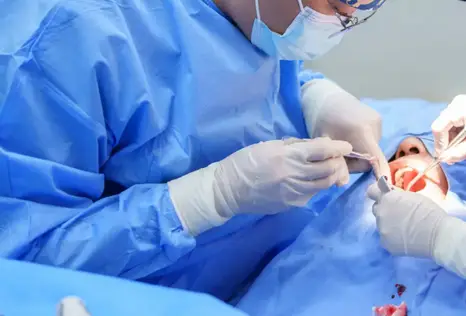
    1. Incision: A local anesthetic is administered, and the dentist/surgeon makes an incision in the gum to expose the jawbone.
    2. Drilling: A precise hole (osteotomy) is drilled into the jawbone.
    3. Insertion: The implant post is screwed into the bone, often using a hand driver to ensure stability.
    4. Closure: A cover screw is typically placed, and the gum is closed with sutures.
  • Osseointegration (Healing): The jawbone grows into and bonds with the implant surface, a process taking 3 to 6 months.
  • Abutment Placement: Once healed, a connector (abutment) is attached to the post to hold the new tooth.
  • Restoration (Crowning): The final artificial tooth (crown), bridge, or denture is attached to the abutment.
 
Types of Dental Implants
  • Endosteal Implants: The most common type, inserted directly into the jawbone.
  • Subperiosteal Implants: Placed on top of the jawbone, under the gum tissue, used when there is insufficient bone for endosteal implants.
  • Zygomatic Implants: A more complex, rare procedure, placed in the cheekbone (zygoma) when extreme upper jaw bone loss exists.
  • Mini Implants: Smaller diameter implants, often used for stabilizing lower dentures.
 
Implant Materials
  • Titanium: The standard material, known for high success rates due to its ability to fuse with bone (osseointegration).
  • Zirconia: A metal-free alternative often used for patients with metal sensitivities, offering high biocompatibility and a white color.