TMJ-TMD TREATMENT

TMJ & TMD Treatment

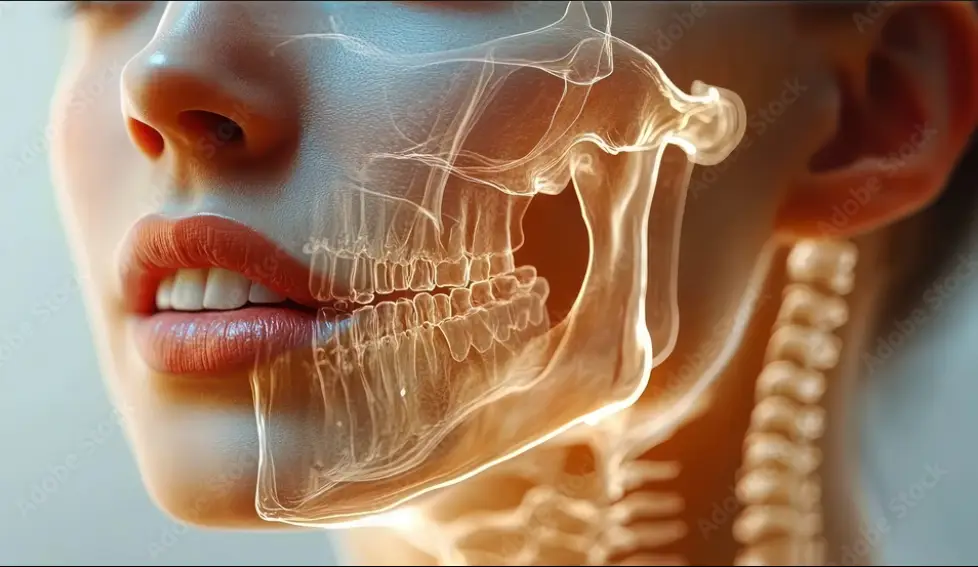
Temporomandibular Joint (TMJ) disorders, commonly referred to as TMD, affect the complex joint connecting your lower jaw to your skull. When this joint or the surrounding muscles become inflamed or misaligned, it can lead to chronic symptoms like jaw pain, headaches, clicking or popping sounds, and difficulty chewing. Fortunately, a variety of effective, tailored dental solutions exist to restore comfort and function. Depending on the severity of your condition, common treatment procedures include:

  • Oral Appliance Therapy: Custom-made nightguards or stabilization splints are designed to alleviate strain on your joints, prevent teeth grinding, and maintain your jaw in a relaxed position.

  • Bite Corrections: Procedures such as occlusal adjustments, custom dental crowns, or orthodontics help realign your teeth to distribute biting pressure evenly across the TMJ.

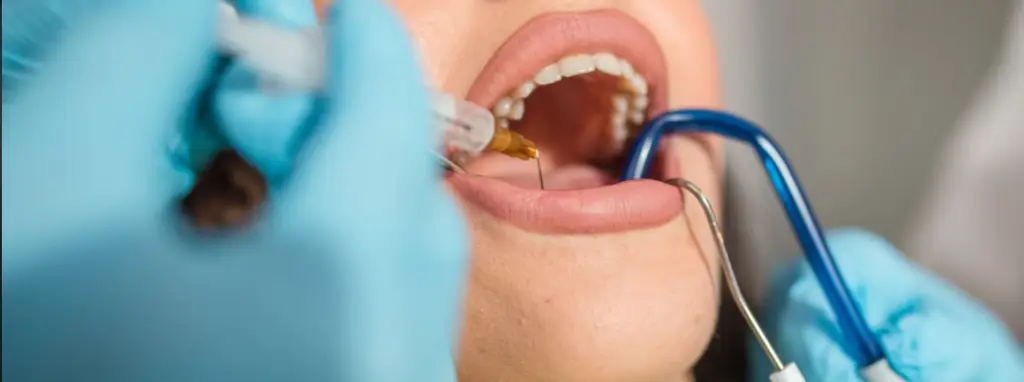
  • Therapeutic Injections: Targeted treatments like Botox® or trigger point injections can physically relax overactive jaw muscles, significantly reducing muscle spasms and facial tension.

  • Conservative Home Care & Physical Therapy: Guided jaw exercises, stress-reduction techniques, and hot/cold therapy are often recommended to gently rebuild muscle flexibility and ease daily discomfort.

Restoring Smiles
Restoring lives

Full Mouth Restorative services

Post-accident dentistry, often handled by emergency and restorative dentists, focuses on

repairing, replacing, and stabilizing teeth and jaw structures damaged by traumatic incidents such as falls, accidents, or sports injuries. Treatment aims to provide immediate pain relief, prevent infection, and restore the functionality and aesthetics of the patient’s smile.

Common Post-Accident Dentistry Treatments
  • Tooth Replacements (Missing Teeth):
    • Dental Implants: Often the preferred long-term solution, a titanium post is placed in the jawbone to serve as a new root, topped with a crown.
    • Dental Bridges: Used to fill gaps by anchoring a false tooth to adjacent teeth.
    • Partial or Complete Dentures: Removable alternatives depending on the severity of the tooth loss.
  • Damaged Tooth Repair (Broken/Cracked/Chipped):
    • Dental Bonding: Tooth-colored resin is used to repair minor chips or cracks, typically in one visit.
    • Dental Crowns: Covers a fractured or severely damaged tooth to protect it and restore its shape and strength.
    • Root Canals (Endodontics): Necessary if the accident damaged the tooth’s pulp (nerve) or resulted in an infection.
  • Stabilization and Realignment (Loose/Shifted Teeth):
    • Splinting: A flexible wire or composite is used to attach a loosened tooth to its neighbors, stabilizing it while the underlying tissues heal.
    • Replantation: If a tooth is completely knocked out (avulsion), it can sometimes be reinserted into the socket within a “golden hour” of the injury, followed by splinting.
  • Periodontal (Gum) and Soft Tissue Care:
    • Gum Grafting/Contouring: Treats damaged gum tissue to ensure proper support for the teeth.
    • Suturing: Repairs cuts or lacerations in the mouth, tongue, or gums.
  • Preventive and Diagnostic Care:
    • Digital Scans/X-rays: Essential for diagnosing hidden damage, such as root fractures, that are not visible to the naked eye.
    • Antibiotic Treatment: Used to reduce the risk of infection following trauma.
    • Temporomandibular Joint (TMJ) Management: Addressing jaw injuries that cause pain or “lockjaw”.

Implants

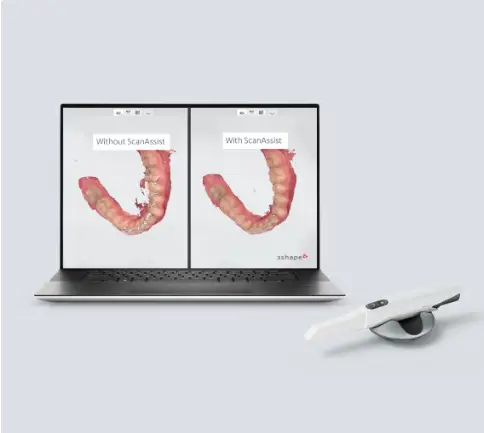
High-precision digital dentistry solution combining fast,color intraoral scanners, 3D digital impressions , analyze oral health with AI-powered diagnostics, and seamlessly share cases with laboratories, supporting workflows for orthodontics, implants, and restorative dentistry

Patient Management Fully Digital

By transitioning to a paperless, all-digital workflow, our dental practices significantly improved efficiency by automating routing administrative tasks such as patient intake,insurance verification, and appointment reminders which can avoid errors and save patients time.

Open Dental Practice Management Software (PMS) is a highly customizable software designed by dentists to streamline operations, including appointment scheduling, charting, billing, and insurance claims while linking to patient xrays and scans. 

interdisciplinary approach in dental care

Coordinating multiple dental and medical specialists—such as general dentists, periodontists, orthodontists, prosthodontists, endodontists, and oral surgeons—to plan and execute a unified treatment strategy rather than treating oral health problems in isolation. 
 

.